Bonding is a quick, affordable fix for small chips, gaps and stains, usually done in one visit with little or no change to your tooth. Porcelain veneers cost more and require removing a little enamel, but they resist stains and can last 10 to 15 years or longer. Small fixes usually suit bonding, while bigger smile makeovers usually suit veneers.
- Bonding is usually one visit and changes very little of your natural tooth.
- Porcelain veneers need a small amount of enamel removed, so they are permanent.
- Veneers resist stains and can last 10 to 15 years or longer. Bonding lasts several years.
- Decay and gum disease should be treated before any cosmetic work.
- Whiten first if you want a brighter shade, because bonding and veneers do not whiten.
A chipped front tooth, a small gap, a tooth that is a different shade from its neighbors. These are the little things people notice every time they smile in a photo. Two of the most common ways to fix them are dental bonding and porcelain veneers, and patients often ask which one makes more sense.
They solve some of the same problems in very different ways. Here is how each one works, what it costs you in time and tooth structure, how long it lasts, and how to decide.
What Dental Bonding Is
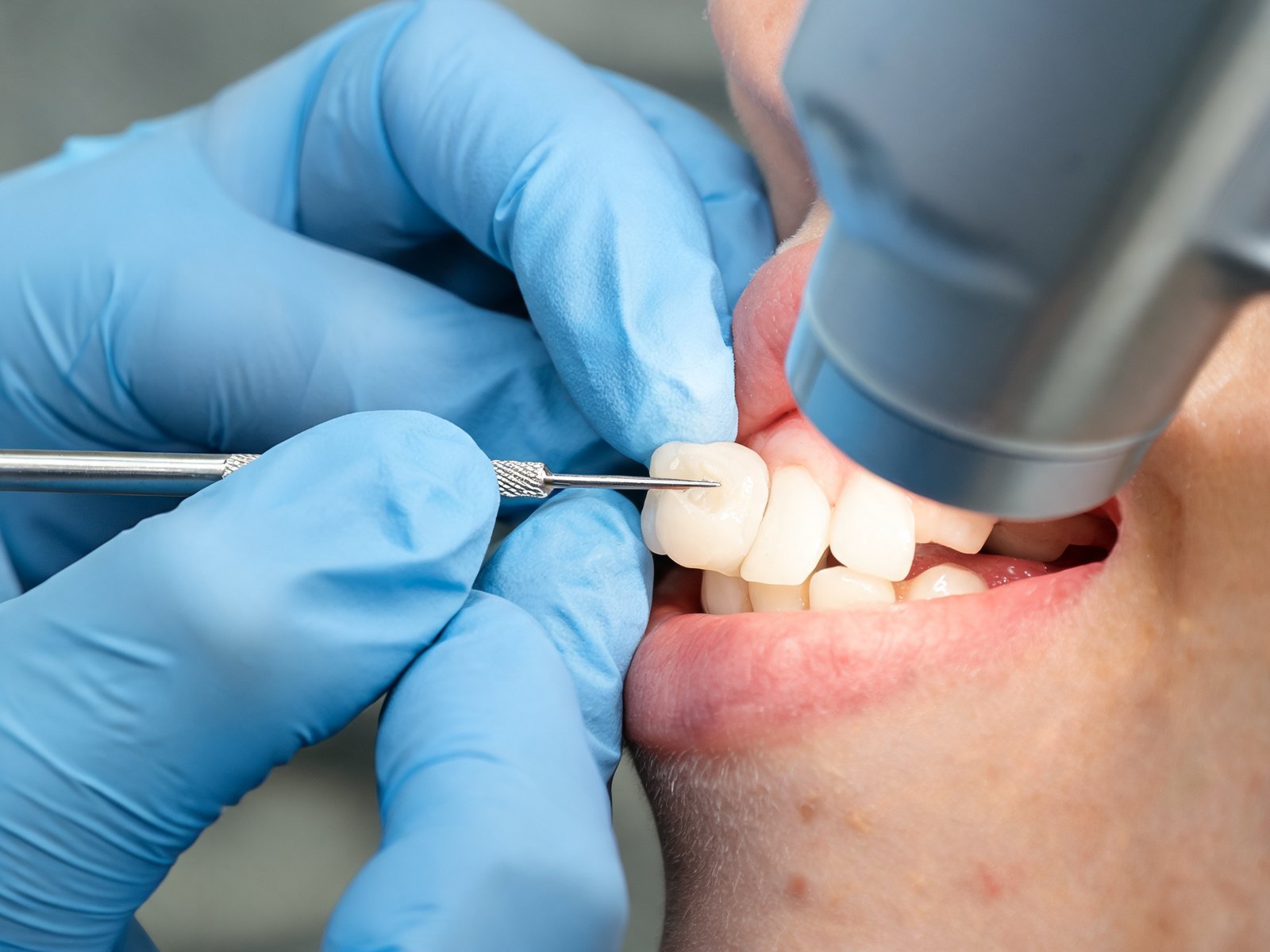
Dental bonding uses a tooth colored resin that is applied directly to your tooth, shaped by hand, hardened with a special light and then polished so it blends in. It can repair chips, cover small stains, close small gaps and even out the shape of a tooth.
The big advantages are speed and how little it asks of your tooth. Most bonding requires little to no preparation, is usually done without numbing, and is finished in one visit. Because very little of the natural tooth is changed, it is one of the most conservative cosmetic options there is.

What Porcelain Veneers Are
Porcelain veneers are very thin, custom made shells that are bonded to the front of your teeth. Each one is crafted in a dental lab to match the color, shape and translucency you want, so they can change the look of several teeth at once.
To make room for the veneer, a small amount of enamel is removed from the front of the tooth. The American Dental Association points out that this makes veneers a permanent decision, because that enamel does not grow back. In return you get a result that is strong, natural looking and very resistant to stains.
The ADA describes two main types of veneers: porcelain and composite. Composite veneers are made from the same kind of tooth colored material as bonding. They usually need less enamel removed and fewer visits, and they are easier to repair, but they are not as resistant to stains and wear as porcelain.

Side by Side: How They Compare
- Visits. Bonding is usually one visit. Porcelain veneers take at least two, one to prepare the teeth and take impressions, and one to place the finished veneers.
- Tooth structure. Bonding changes very little of your natural tooth. Porcelain veneers require removing a small amount of enamel.
- Stain resistance. Porcelain is highly stain resistant. Bonding can pick up stains from coffee, tea and wine over time.
- Lifespan. Bonding usually lasts several years before it needs touch ups or replacement. With good care, porcelain veneers can last 10 to 15 years or longer.
- Repairs. Bonding is easy to touch up. A chipped porcelain veneer usually needs to be replaced.
- Cost up front. Bonding costs less per tooth. Porcelain veneers cost more, but they usually last much longer.
Our current offer for veneers or crowns starts from $999. A consultation tells you whether veneers, bonding or something simpler is the best fit.
When Bonding Is the Better Choice
Bonding is often the smarter pick when:
- You have one small chip or a small gap to fix
- You want a quick improvement, often in a single visit
- You would rather not remove any enamel
- You are younger and may want to keep your options open for later
- Budget is the main concern right now

When Veneers Are Worth It
Porcelain veneers tend to be the better investment when:
- You want to change the color, shape or length of several front teeth at once
- You have deep stains that whitening cannot fix
- You want a result that resists coffee and tea stains for many years
- You have worn, uneven or slightly misshapen teeth and want a full smile makeover
Veneers are not the right tool for every problem. If your teeth are crooked, Invisalign may straighten them without changing their surface. If a tooth is badly broken or weakened, a crown protects it better than a veneer.
What Each Process Looks Like
Bonding, usually in one visit
- We talk through what bothers you about the tooth and check that bonding is the right fit.
- A resin shade is chosen to match your natural teeth.
- The resin is applied, shaped and sculpted right on the tooth.
- A special light hardens it, and the tooth is polished to a smooth, natural finish.
Porcelain veneers, usually in two or more visits
- A consultation to discuss your goals and make sure veneers are the right solution.
- A small amount of enamel is gently removed so the veneers fit naturally, and detailed impressions are taken.
- Your custom veneers are crafted to match the smile you want.
- At the final visit, the veneers are bonded to your teeth and adjusted so your bite feels comfortable.
Most patients feel little to no discomfort with either option.
Before Either One: Healthy Teeth First
Both bonding and veneers are cosmetic, but they work best on a healthy mouth. The ADA notes that any decay or gum disease should be treated first, because placing veneers over unhealthy teeth can make existing problems worse.
If you clench or grind your teeth, tell us. Grinding can chip bonding and crack veneers, and a custom night guard can protect your investment while you sleep. It is also worth considering whitening before cosmetic work, because bonding and veneers are matched to the color of your teeth at the time and will not lighten later.
Caring for Bonding or Veneers
- Brush twice a day and floss daily, just like natural teeth.
- Avoid biting hard objects like ice, pens or fingernails.
- Rinse with water after coffee, tea or red wine, especially with bonding.
- Keep your regular cleanings so we can check the edges and polish them.
Call our Reseda office for a cosmetic consultation. We will look at your teeth and show you what bonding and veneers could each do for you.
Frequently asked questions
Which lasts longer, bonding or veneers?
Porcelain veneers usually last much longer, often 10 to 15 years or more with good care. Bonding typically lasts several years before it needs touch ups or replacement.
Do veneers ruin your natural teeth?
Veneers require removing a small amount of enamel from the front of the tooth, so the change is permanent. Done properly on healthy teeth, the tooth underneath stays healthy, but you will always need a veneer or another covering on it.
Is dental bonding painful?
Usually not. Most bonding needs little or no preparation and is often done without numbing.
Can bonding close a gap between my front teeth?
Yes. Bonding is commonly used to close small gaps and make teeth look more even.
Can I whiten veneers or bonding?
No. Whitening does not change the color of veneers or bonding, so if you want whiter teeth, it is best to whiten first and match the cosmetic work to your new shade.
How much do veneers cost at Canby Dental?
Our current offer for veneers or crowns starts from $999. Call (818) 343 4024 for a consultation and a clear price for your smile.
Sources: ADA MouthHealthy: Veneers. This article is general information, not a diagnosis. Your dentist can tell you what fits your own teeth.