A cracked molar on a Friday night. A tooth knocked loose at a soccer game on Victory Boulevard. A throbbing ache at 3 a.m. and no idea whether it can wait until Monday. Dental emergencies never happen at a convenient hour, and the question patients ask when they finally call is always the same: should I have called sooner?
Usually, yes. Our team has treated urgent dental problems for families across Reseda, Tarzana, Northridge, Winnetka and Canoga Park for years, and the pattern is consistent: problems handled the same day stay small and inexpensive, while problems ignored over a long weekend become root canals, extractions and infections that spread. Here is what actually counts as an emergency, what to do in the first ten minutes, and what to expect when you get here.
In pain right now? Do not sit on it. Call our Reseda dental office at (818) 343-4024 and tell the front desk it is urgent. We hold time every day for emergency patients across the San Fernando Valley.

What Actually Counts as a Dental Emergency
The American Dental Association draws a simple line. If a dental problem involves uncontrolled bleeding, significant swelling, facial or jaw trauma, or pain you cannot manage, it is an emergency and needs attention now. Everything else is urgent or routine. Here is how we sort it when a Reseda patient calls.
Call immediately
- A permanent tooth knocked completely out
- Facial swelling, especially near the eye or under the jaw, or swelling that makes swallowing or breathing difficult
- Bleeding from a cut lip, tongue or cheek that will not stop after fifteen minutes of steady pressure
- A jaw that will not open or close properly after an injury
- Severe pain with fever or a foul taste, which usually signals an abscess
Swelling moving toward the eye or down the neck belongs in a hospital emergency room if you cannot reach a dentist quickly. That infection is not something to sleep on.
Urgent, get seen within a day or two
- A cracked or broken tooth that is sensitive but not severely painful
- A lost filling or a dental crown that has come off
- A tooth pushed loose but still in the socket
- A dull, persistent toothache that responds to over the counter pain relief
- A broken orthodontic wire poking into your cheek
Can usually wait for a regular appointment
- A small painless chip on a front tooth, often fixed with dental bonding
- Mild cold sensitivity that fades within a few seconds
- A dull morning jaw ache, which frequently points to grinding and a night guard
When you are unsure, call anyway. Two minutes on the phone costs nothing and beats guessing.
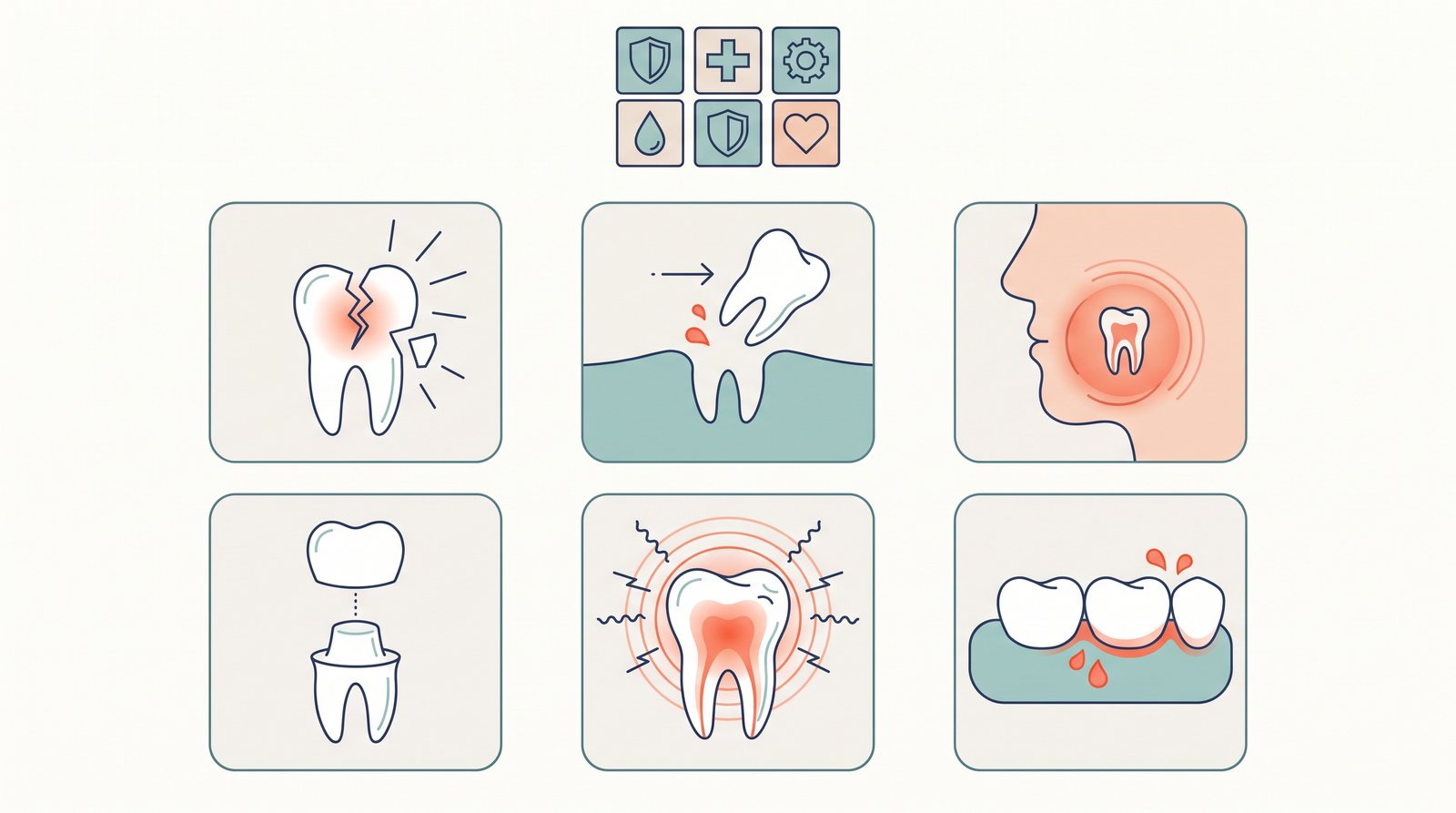
The Most Common Dental Emergencies and What to Do First
What you do in the first ten minutes genuinely changes the outcome here.
Knocked out permanent tooth
The most time sensitive emergency in dentistry. Pick the tooth up by the crown, the chewing part, never by the root. Rinse it gently with milk or saline if it is dirty, but never scrub it or use soap. If you can, slide it straight back into the socket and bite gently on a clean cloth. If you cannot, keep it in cold milk or in your own saliva. The American Association of Endodontists reports the best outcomes when a tooth is replanted within about thirty minutes, so drive, do not deliberate. A tooth that cannot be saved is usually replaced with a dental implant.
Severe toothache
Rinse with warm salt water, floss gently on both sides of the tooth to rule out trapped food, and use a cold compress on the cheek in twenty minute intervals. Never hold aspirin against the gum, which burns the tissue. Pain that wakes you at night, or that lingers more than thirty seconds after something cold, usually means the nerve is involved, and that is a root canal conversation.
Cracked or broken tooth
Rinse with warm water, save any pieces, apply a cold compress, and stop chewing on that side. Cracks are sneaky because they often hurt only when you release biting pressure. A hairline fracture treated early with a crown often avoids a root canal or an extraction later.
Dental abscess
An abscess is a pocket of infection at the root tip or in the gum, and it announces itself with throbbing pain, a pimple like bump on the gum, a foul taste, and sometimes fever or facial swelling. Rinse with mild salt water for temporary relief and call us the same day. Do not try to pop it, because untreated infections spread into the jaw and neck. Chronic gum infection is a separate problem, handled through gum disease treatment.
Lost crown or filling
Keep the crown and clean it. If the tooth is sharp or sensitive, temporary dental cement from any Reseda pharmacy will hold it a day or two. Never use household glue. The exposed tooth underneath is vulnerable to decay and fracture, so this is urgent, not routine.
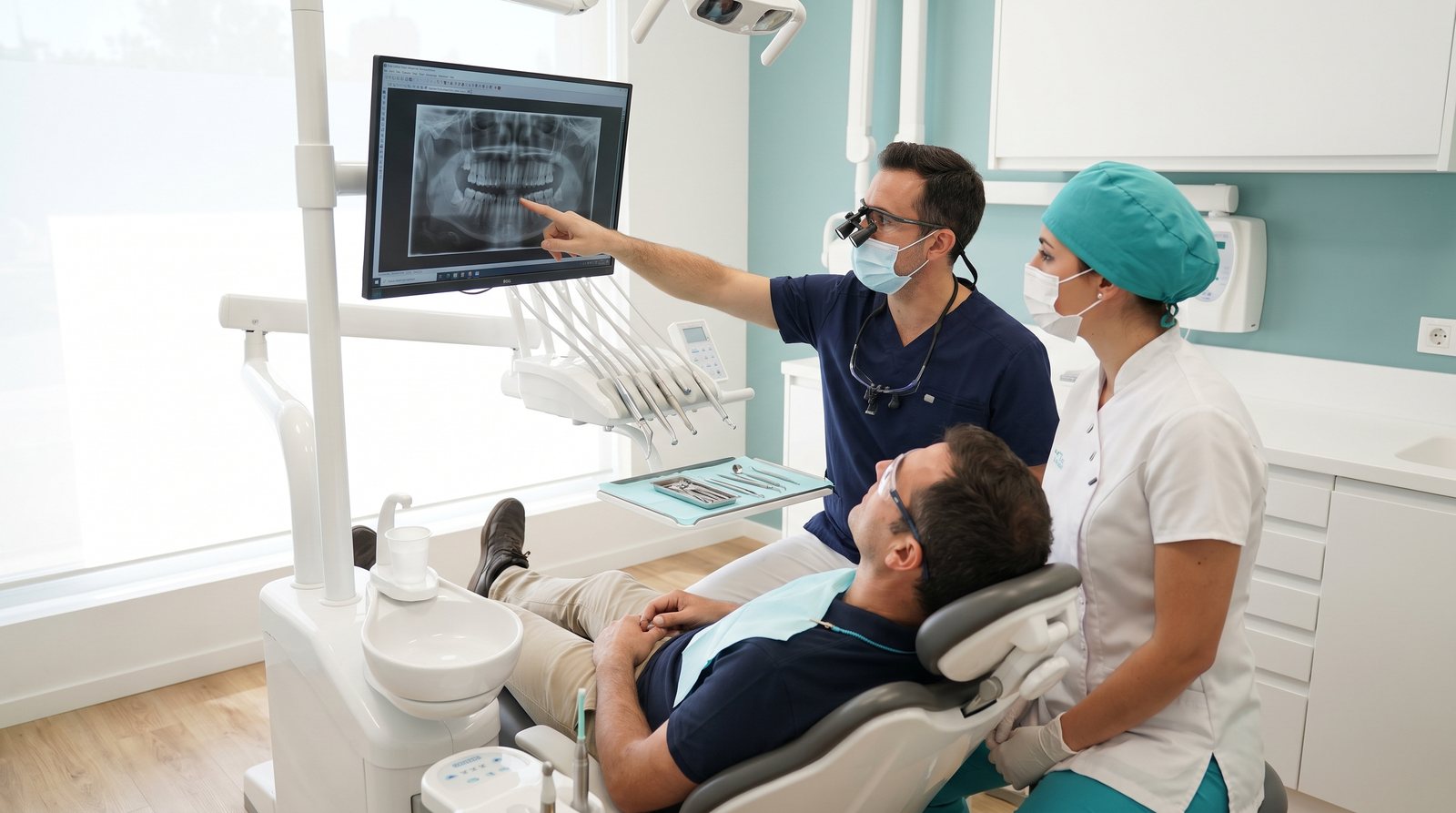
What Happens at an Emergency Dental Visit in Reseda
Patients who have never had an urgent visit imagine something chaotic. In practice it is calm and short, and the goal is always the same: get you comfortable, find the real cause, stabilize the tooth.
First, we get you out of pain
Nobody makes good decisions while their face is throbbing. Local anesthetic, draining an abscess, or relieving pressure on a tooth happens before any discussion of a treatment plan.
Second, we find the actual cause
A focused exam plus digital dental x rays tells us whether this is decay under an old restoration, a fracture running into the root, a dying nerve, or infection in the bone. Digital imaging uses a fraction of the radiation of older film and appears on screen immediately, which matters when you are solving something today.
Third, same day stabilization
Depending on the diagnosis, that visit may include a new filling, reseating a crown, starting root canal therapy, splinting a loose tooth, draining an infection, or an extraction. Definitive work such as a permanent crown, a bridge or an implant is scheduled once the emergency is under control.
If anxiety is why you have been putting this off
You are not unusual, and you will not get a lecture. A meaningful share of the emergency patients we see across the San Fernando Valley avoided the dentist for years out of fear. Sedation dentistry lets anxious patients get through urgent treatment comfortably, and for many it becomes the visit that finally breaks the cycle.
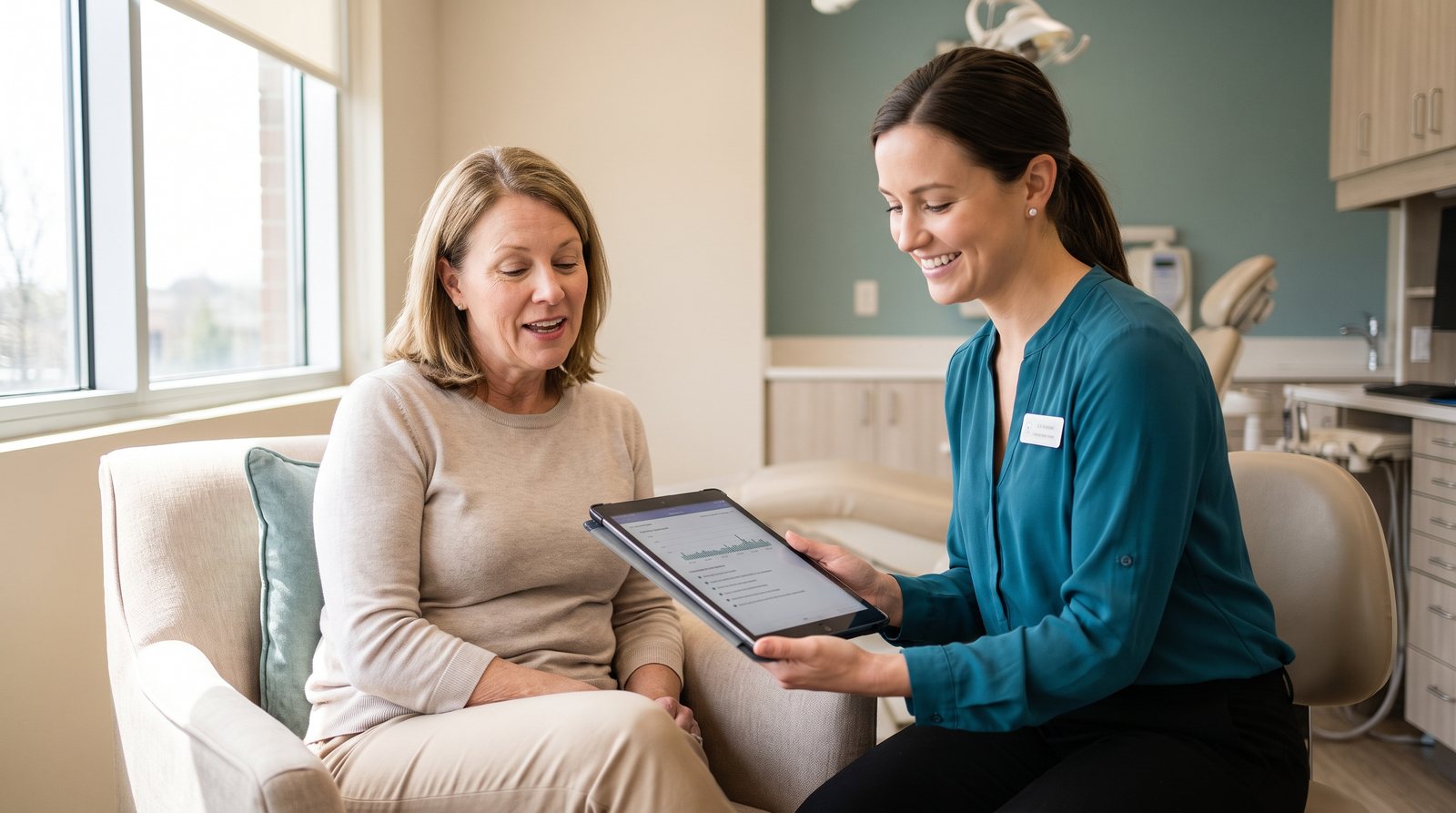
Cost, Insurance and Getting Seen Fast in the Valley
What emergency dental care generally costs
The emergency exam with x rays is typically the least expensive part of the visit. Treatment is what varies: a simple filling sits at the low end, a crown or root canal in the middle, full replacement of a lost tooth at the high end. Our guides to dental implant costs in Reseda and cosmetic dentistry costs in Reseda have real numbers. The reliable rule is that waiting costs more, because a filling that becomes a root canal and crown multiplies the bill several times over.
Insurance and patients without coverage
Most dental plans treat emergency exams and urgent treatment as covered benefits, often at a higher percentage than elective work. If you have no insurance, ask about payment options when you call. We would far rather structure the cost than leave a neighbor at home with an infected tooth.
Getting here quickly
Our office sits in the middle of Reseda, a short drive from Tarzana, Northridge, Winnetka, Canoga Park, Van Nuys and Encino. Patients coming down Reseda Boulevard or off the 101 and the 118 are usually here in under twenty minutes. Call as early in the day as you can, describe the symptom rather than self diagnosing, and mention any swelling or fever so we prioritize you correctly. New patients can meet the team on our about page and see what we handle in house on our services page.
How to Prevent the Next Dental Emergency
Most of what walks through our door urgently was preventable, and the fixes are unglamorous. Keep your six month cleanings and exams, because a fracture line caught early costs a fraction of what it costs after the tooth fails. Wear a custom mouthguard for contact sports, which matters enormously for kids playing at Reseda Park and the local high schools. Wear a night guard if you grind. Stop chewing ice, hard candy and popcorn kernels, which account for a surprising number of cracked molars. And do not ignore small symptoms, because sensitivity that comes and goes for a month is your tooth asking for help while the repair is still cheap.
Due for a checkup? Booking a routine exam now is the single cheapest way to avoid an emergency visit later. Call (818) 343-4024 or reach us through our contact page.
Frequently Asked Questions About Emergency Dentistry in Reseda
How fast can I be seen for a dental emergency?
Call as soon as the problem starts. We reserve emergency slots daily, and true emergencies such as facial swelling, uncontrolled bleeding or a knocked out tooth are prioritized ahead of routine appointments. Patients who call in the morning are usually seen that day.
Should I go to the emergency room for a bad toothache?
Generally no. Valley hospital emergency departments can prescribe antibiotics and pain relief but cannot treat the tooth itself. Unless you have facial trauma, a suspected fractured jaw, or swelling affecting your airway, calling a dentist is faster, cheaper and more effective.
Can a knocked out tooth really be saved?
Often yes, if you act fast. Handle it by the crown, keep it moist in milk or saliva, and get to a dentist within the first hour. Teeth replanted and splinted quickly have a strong track record. Teeth that dried out for hours rarely survive.
Is a knocked out baby tooth an emergency?
Do not reinsert a baby tooth, because that can damage the developing permanent tooth underneath. Control the bleeding with gentle pressure and call us so we can check for fragments and confirm the permanent tooth is unaffected.
What can I do for the pain at 2 a.m.?
Rinse with warm salt water, floss carefully around the tooth, apply a cold compress to the cheek in twenty minute intervals, sleep with your head elevated, and take an over the counter anti inflammatory if it is safe for you. These buy comfort, not a cure, so still call in the morning.
Do you treat emergency patients who have never been to your office?
Yes. We regularly see first time emergency patients from Reseda, Tarzana, Winnetka, Northridge and Canoga Park. Bring an ID and your insurance information, and arrive a few minutes early for paperwork so treatment can start sooner.
Will I need a root canal or an extraction?
It depends on how much healthy tooth structure remains and whether the nerve and bone are involved. We always prefer to save the natural tooth when the long term outlook is good, and we will show you the x ray and explain both paths before anything is decided.
Do Not Wait Out Dental Pain
Every dentist has seen the same story: a small ache that was manageable for three weeks becomes an infected tooth that cannot be saved. Dental problems do not resolve on their own, and the window where treatment is simple and affordable is measured in days, not months. If something hurts, looks wrong or has come loose, that is reason enough to pick up the phone.
Our Reseda team keeps emergency time open every day for patients across the San Fernando Valley, and we will tell you honestly on the phone whether you need to come in now or whether it can wait. Call us at (818) 343-4024 as soon as symptoms start, or visit our contact page for our address and hours.