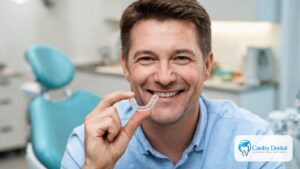
Invisalign is clear, removable and fits easily into adult life, but it only works if you wear it most of the day. Braces work around the clock and handle complex bites with more control. Both are offered at Canby Dental, and a consultation shows which fits your teeth.
- Invisalign aligners are nearly invisible and come out for meals and brushing.
- Braces are better for complex bite problems and need no daily discipline.
- Many Invisalign patients finish in about 12 to 18 months, and braces typically take 18 to 24 months.
- Everyone wears a retainer afterward to keep teeth from shifting back.
- It is never too late. Healthy teeth can be straightened at any age.
Many adults share the same story. They had crooked teeth as kids, braces were not in the budget or never happened, and now that they are paying their own bills they finally want to fix it. The next question is almost always: should I get Invisalign or regular braces?
Both work. Both are offered at our Reseda office. The better choice depends on what is going on with your bite, how you live day to day, and how disciplined you will be with a removable appliance. Here is a straight comparison.

How Each Option Moves Your Teeth
Traditional braces use brackets bonded to your teeth and a wire that connects them. The wire is adjusted at regular visits, usually every 4 to 8 weeks, and that steady pressure guides your teeth into place. The brackets can be metal or tooth colored.
Invisalign uses a series of clear, custom made aligners. Each set is shaped a little differently from the last, and you switch to the next set as directed. You can take them out to eat, drink, brush and floss. The ADA notes that removable aligners are a real option for many orthodontic problems when they are used under a dentist’s direct supervision.

Appearance and Comfort
This is where Invisalign wins for most adults. The aligners are clear and hard to notice in a meeting or a photo. There are no brackets to rub the inside of your lips and no wires to poke your cheek.
Braces are more noticeable, although clear brackets help. They also take a few days to get used to after each adjustment. On the other hand, there is nothing to remember. Braces work 24 hours a day whether you think about them or not.

Your Lifestyle Matters More Than You Think
Invisalign only works when you wear it. Aligners are meant to be worn most of the day and night, and only come out for meals and cleaning. If they sit in a case on your desk, your teeth do not move.
Invisalign tends to suit people who:
- Want treatment that is hard to notice at work
- Do not want to give up foods like popcorn, nuts or crusty bread
- Are comfortable building a routine around wearing and cleaning the aligners
- Want to brush and floss normally during treatment
Braces tend to suit people who:
- Know they would forget or skip wearing a removable appliance
- Have a more complex bite problem
- Prefer to let the appliance do the work without daily decisions
A consultation shows whether your teeth are a good fit for Invisalign or would do better with braces. We will walk you through both.
Daily Care During Treatment
Whichever option you choose, keeping your teeth clean during treatment protects the result. Food that gets trapped around brackets or under an aligner can lead to cavities and swollen gums, and nobody wants to finish orthodontics with straight teeth and new fillings.
Caring for aligners
- Take your aligners out before you eat or drink anything other than plain water.
- Brush your teeth before you put them back in, so food is not sealed against your teeth.
- Rinse the aligners and clean them gently every day, and keep them in their case whenever they are out of your mouth.
- Keep them away from hot water and car dashboards, which can warp the plastic.
Caring for braces
- Brush after meals, working around each bracket and along the gumline.
- Use floss threaders or a water flosser to clean under the wire.
- Skip hard and sticky foods like ice, hard candy, caramel and corn on the cob, which can break brackets.
- Keep up with your regular cleanings so plaque does not build up around the brackets.
Your regular cleanings continue during orthodontic treatment. They are a good chance to catch any trouble spots early.
When Braces Are the Better Choice
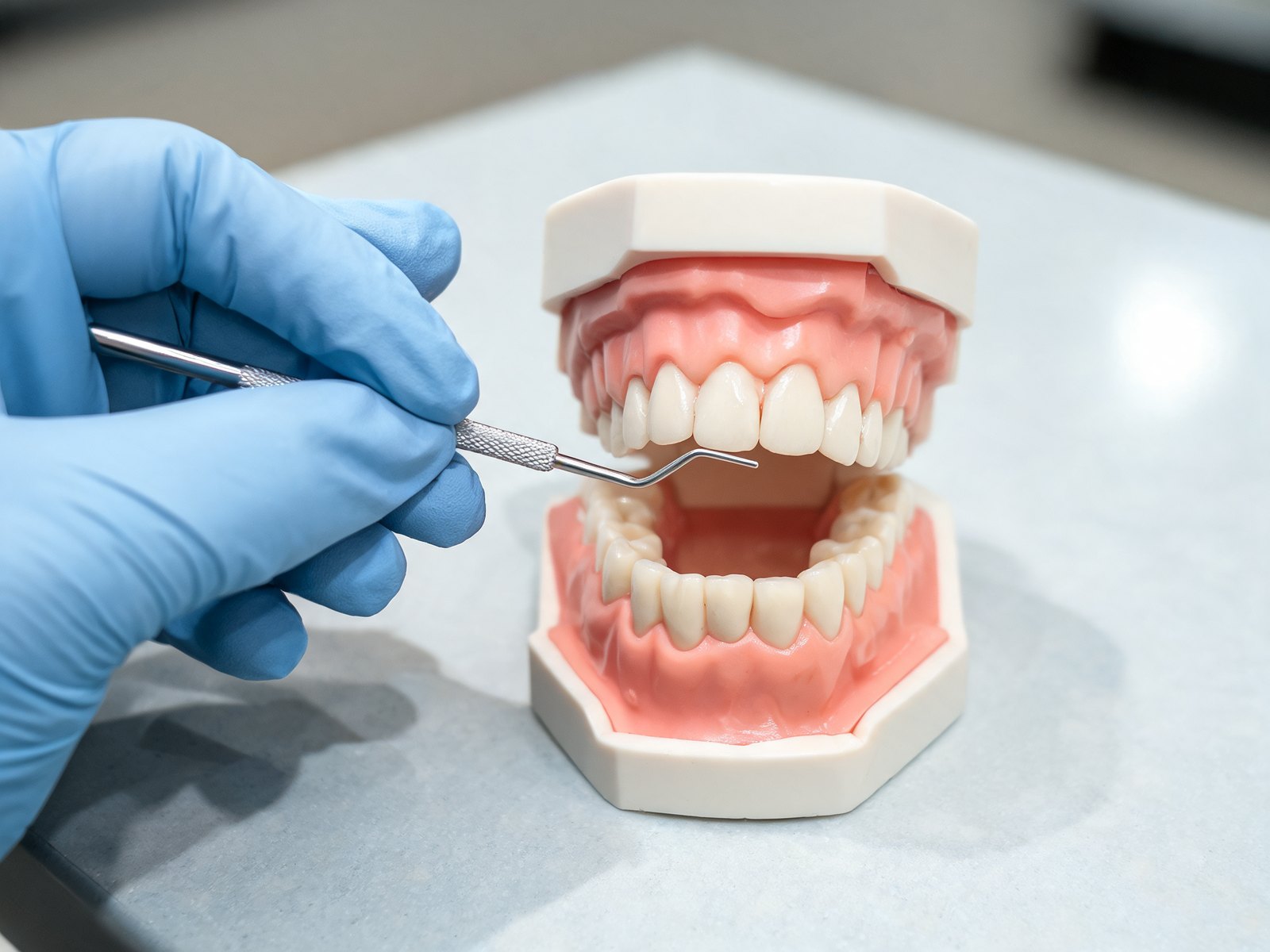
Invisalign handles a wide range of crowding, spacing and mild bite issues. Some cases are more complicated, such as severe rotations, large bite discrepancies or teeth that need to move a long way vertically. Braces give the dentist more precise control in those situations, which can mean a better result and sometimes a shorter path to get there.
That is why we never recommend one or the other before looking at your teeth. Advanced imaging lets us plan the movement and show you a preview of the result before you commit.
How Long Treatment Takes
Every case is different, but at our office many patients finish Invisalign in about 12 to 18 months. Braces typically take 18 to 24 months. The ADA notes that most people are in orthodontic treatment for one to three years, depending on what needs to be corrected.
Either way, treatment does not end on the day the aligners or braces come off. Teeth like to drift back, so you will wear a retainer afterward to hold them in their new positions.
Cost and Paying Over Time
Adults often expect Invisalign to cost far more than braces. In many cases the difference is smaller than people think, and the price really depends on how much movement your teeth need. A consultation is the only way to get a real number for your case.
Our current Invisalign special starts from $249 a month on approved credit, or from $2,999 paid in full, so most adults can spread the cost over the course of treatment.
Is It Too Late to Straighten Your Teeth?
No. The ADA notes that healthy teeth can be treated with orthodontics at any age. Straighter teeth are easier to clean, which helps with gum health, and correcting a bad bite can take pressure off teeth that are wearing down unevenly. Many adults start treatment in their thirties, forties and beyond.
Call our Reseda office and we will look at your teeth, explain whether Invisalign or braces makes more sense, and give you a clear plan and price.
Frequently asked questions
Is Invisalign as effective as braces?
For many cases of crowding, spacing and mild bite issues, yes. For complex bite problems, braces often give more precise control. A consultation tells you which works better for your teeth.
How many hours a day do I need to wear Invisalign?
Aligners are meant to be worn most of the day and night and only taken out to eat, drink anything other than water, and clean your teeth. If they are not in your mouth, your teeth are not moving.
Which is faster, Invisalign or braces?
At our office many patients finish Invisalign in about 12 to 18 months, and braces typically take 18 to 24 months. Your own timeline depends on how far your teeth need to move.
Do I need a retainer after Invisalign or braces?
Yes. Teeth tend to shift back after treatment, so a retainer holds them in their new positions.
Am I too old for braces or Invisalign?
No. Healthy teeth can be straightened at any age, and many people start as adults.
How much does Invisalign cost in Reseda?
Our current Invisalign special starts from $249 a month on approved credit, or from $2,999 paid in full. Call (818) 343 4024 to find out what your case involves.
Sources: ADA MouthHealthy: Braces. This article is general information, not a diagnosis. Your dentist can tell you what fits your own teeth.