Teeth are surprisingly quiet about their problems. A cavity can grow for a year without a twinge. Gum disease can dissolve bone for a decade before a single tooth feels loose. By the time your mouth finally speaks up, the easy fix has often already left the building. That is why knowing the early warning signs matters so much: they are your chance to solve a fifty dollar problem before it becomes a five thousand dollar one.
After years of caring for patients across Reseda, Tarzana, Northridge, Winnetka and Canoga Park, our team knows exactly which symptoms people ignore the longest, and which ones they most regret ignoring. Here are the seven signs you should see a dentist in Reseda soon, why each one happens, and what tends to unfold if it gets a pass for another few months.
Noticing one of these signs right now? A quick exam settles the question. Call our Reseda office at (818) 343-4024 and we will take a look, usually within a day or two.
Sign 1: Your Gums Bleed When You Brush or Floss
This is the most ignored symptom in dentistry, mostly because it is so common that people assume it is normal. It is not. Healthy gums do not bleed from a soft toothbrush or a strand of floss, any more than healthy skin bleeds from washing your hands.
Bleeding gums almost always mean gingivitis, the earliest stage of gum disease, where plaque along the gumline keeps the tissue mildly infected and inflamed. Caught here, the fix is refreshingly simple: a professional cleaning and a couple of weeks of consistent brushing and flossing, and the bleeding usually stops entirely. Ignored, gingivitis can advance to periodontitis, where the infection moves below the gumline and starts destroying the bone that holds your teeth. That stage needs real gum disease treatment, and the bone it takes does not come back on its own.
If you also notice gums pulling away from your teeth, persistent redness, or teeth that look longer than they used to, do not wait for your next routine visit. Call now.
Sign 2: A Toothache, Even a Mild One That Comes and Goes
Pain in a tooth is never background noise. It is the nerve inside reporting a problem, and the pattern of the pain says a lot. A brief zing with sweets often means early decay. An ache when you bite down can mean a crack or a failing filling. A deep throb that wakes you at night, or pain that lingers long after hot or cold, usually means the nerve itself is inflamed or infected, which is root canal territory.
The trap patients fall into is the pause. Toothaches frequently hurt for a week, then go silent for a month. That silence is not healing. Often it means the nerve has died, and the infection is now spreading quietly at the root tip. The tooth that stopped hurting in March becomes the swollen face in June. If a tooth has spoken up even once, it has earned an exam.

Sign 3: Sensitivity to Hot, Cold or Sweet That Is Getting Worse
Almost everyone gets an occasional twinge from ice water. The sign that matters is change. Sensitivity that is new, getting stronger, or starting to linger for more than a couple of seconds points to something real: enamel worn thin by grinding or acid, a gumline that has receded and exposed the softer root surface, a crack, or decay working toward the nerve.
Each of those causes has a straightforward fix when caught early, from desensitizing treatments to a small filling or a night guard. Each of them also has an expensive ending when ignored. One useful rule from our hygienists: if you have started chewing on one side of your mouth to avoid the other, your mouth has already made the appointment for you. You just have not called yet.
Sign 4: Bad Breath That Never Really Goes Away
Morning breath is chemistry and it happens to everyone. Breath that stays unpleasant all day, every day, despite brushing and mouthwash, is different. Persistent bad breath is most often produced by bacteria hiding where your brush cannot evict them: in deepening gum pockets, in tartar buildup, inside an unnoticed cavity, or under an old crown that no longer seals.
Because you get used to your own breath, this sign often arrives secondhand from a spouse or coworker. Take it seriously, not personally. A cleaning and exam finds the source in one visit, and treating the cause works far better than a lifetime supply of mints.
Sign 5: A Chipped, Cracked or Suddenly Rough Tooth
A chip that does not hurt still changed the structure of the tooth. Enamel is glass like: once its outer shell is breached, cracks tend to spread under everyday chewing forces, and bacteria move into places they could not reach before. A small chip smoothed or repaired with bonding today can prevent the fractured cusp that needs a crown next year.
The same goes for a tooth that suddenly feels rough to your tongue, a filling edge that catches floss, or a piece of tooth you can wiggle. Your tongue is an excellent inspector. When it keeps returning to the same spot, something changed there, and it is worth a look under proper lighting and magnification.
Sign 6: White, Red or Dark Spots, or a Sore That Will Not Heal
Changes in the color or texture of your teeth deserve attention. A chalky white patch on enamel is often the first visible stage of decay, and at that stage it can sometimes be reversed with fluoride before a drill is ever involved. Brown or dark spots, especially in the grooves of molars, usually mean the process has gone further.
Changes in the soft tissue matter even more. A mouth sore that has not healed within two weeks, a white or red patch on the tongue or cheek, a lump, or numbness should be examined promptly, because these can be early signs of oral cancer. That sounds alarming, but the practical takeaway is the opposite of scary: oral cancer caught early has a strong survival rate, and screening is quick and painless. It is one more reason routine visits with an oral cancer screening earn their place on your calendar.
Sign 7: It Has Been More Than a Year Since Your Last Visit
This one is the quiet umbrella over all the others. Dental problems are progressive and mostly painless in their early stages, which means the absence of symptoms is not evidence of health. A year or more without an exam simply means nobody has looked, and the two most destructive conditions in dentistry, decay and gum disease, do their best work unobserved.
If the reason you have stayed away is fear, cost or a bad experience years ago, you have plenty of company and better options than you think. Modern dentistry is gentler than what many patients remember, and our team offers a calm, judgment free restart to people every single week. The visit you are dreading is almost always easier than the one you get by waiting.
Recognize yourself in more than one of these signs? That is exactly the patient we can help the most. Call (818) 343-4024 or book through our contact page, and let us take the guesswork out of it.
Frequently Asked Questions About When to See a Dentist
How do I know if my dental problem is urgent or can wait?
Swelling in your face or jaw, severe pain, uncontrolled bleeding, or a knocked out tooth need attention the same day. The seven signs above are urgent in a different way: they will not send you to the hospital today, but each one gets more expensive with time. When in doubt, call and describe the symptom. We will tell you honestly how fast to come in.
Can a cavity go away on its own?
Only at the very earliest stage, when decay is still a white spot in the enamel, can it sometimes be halted or remineralized with fluoride and improved habits. Once a true hole forms, the tooth cannot repair itself, and the cavity only grows.
Why do my gums bleed only sometimes?
Intermittent bleeding usually means the inflammation is mild and localized, often flaring where plaque sits longest. It still indicates gingivitis. Consistent flossing for two weeks plus a professional cleaning usually resolves it, and if bleeding continues after that, a deeper evaluation is warranted.
Is bad breath always a dental problem?
Most of the time, yes. About nine out of ten cases originate in the mouth. Occasionally the source is sinus, digestive or medical, and part of our job is recognizing when the mouth is healthy and pointing you to the right physician.
What if I have several of these signs at once?
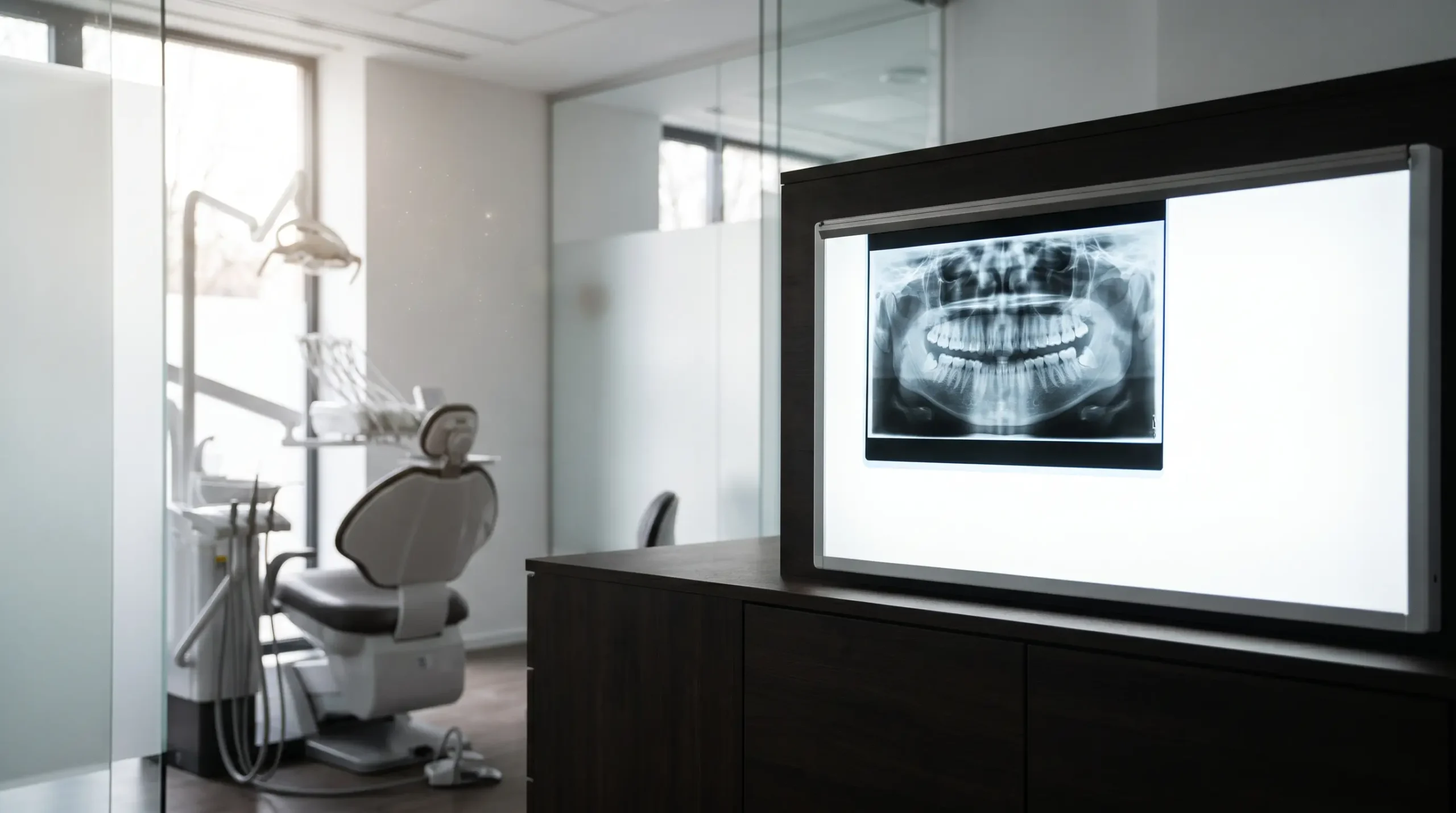
Come in sooner, not later, and do not be embarrassed. Multiple symptoms usually share one root cause, like gum disease driving bleeding, bad breath and sensitivity all at once. One thorough exam with x rays maps out everything, and a plan that fixes causes rather than chasing symptoms is almost always simpler than patients fear.
Do you see nervous patients?
Every week, from all over the San Fernando Valley. Tell us when you book. We pace visits differently for anxious patients, explain everything before it happens, and offer sedation dentistry when it helps.
Listen to the Whisper So You Never Hear the Shout
Teeth rarely give second warnings. Bleeding gums, a passing ache, a lingering sensitivity: these are whispers, and every dentist can tell you what the shout sounds like at 2 a.m. If any of the seven signs above sound familiar, the smart move is a simple exam this week, not a painful emergency next year. If one of these signs turns into sudden pain or swelling, see an emergency dentist in Reseda right away.
Our Reseda team serves families throughout Reseda, Tarzana, Northridge, Winnetka, Canoga Park and the wider San Fernando Valley. Call (818) 343-4024 to schedule your exam, or visit our services page to see everything we handle in house.