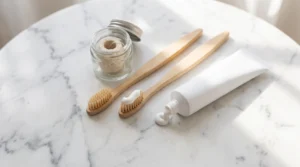
Here is a humbling fact from the operatory: most adults have been brushing their teeth for decades, twice a day, and doing a meaningful part of it wrong. Not carelessly wrong. Wrong in small technical ways that leave the same plaque in the same places year after year, which is why the same patients get cavities in the same corners of their mouths no matter how diligent they are.
The good news is that proper technique is not harder than improper technique. It is just different, and nobody ever taught most of us. Our hygienists in Reseda spend all day watching what actually works in real mouths, from kids in Winnetka to retirees in Tarzana, and this guide collects everything they wish every patient knew about how to brush and floss properly.
Want a live technique check? Bring your questions to your next cleaning and our hygienists will show you exactly where plaque is hiding in your mouth. Call (818) 343-4024 to schedule.
How to Brush Your Teeth the Right Way
Brushing has one real job: disrupt the sticky film of plaque along the gumline and on every tooth surface before it organizes and hardens. Every element of good technique serves that goal.
Start with the right tools
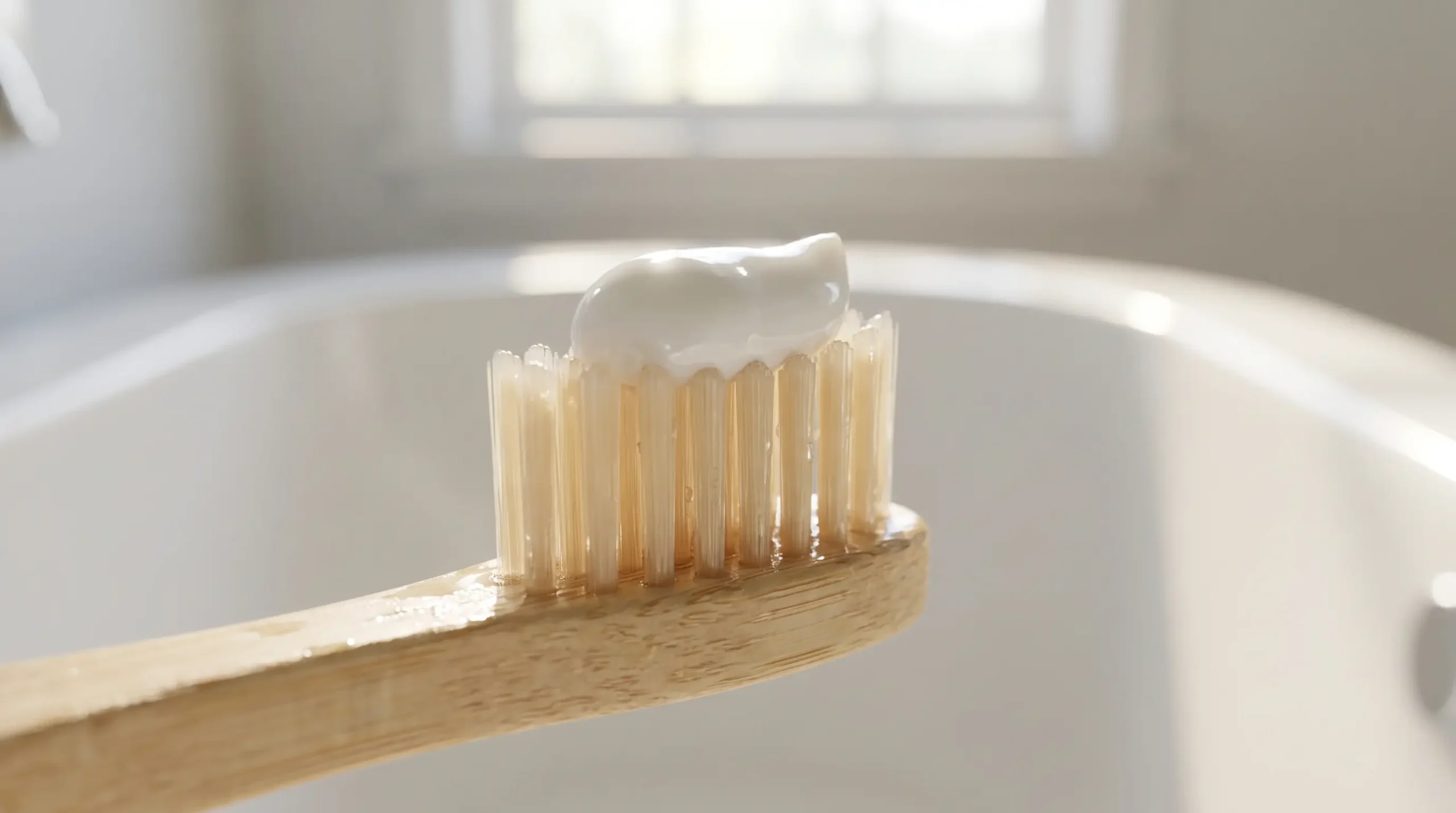
Choose a soft bristled brush, full stop. Medium and hard bristles do not clean better; they wear away enamel and push gums into recession, and we can spot a lifelong hard brusher from across the room by the notches worn into their teeth near the gumline. Pick a head small enough to reach your back molars comfortably, and pair it with a fluoride toothpaste. Whitening pastes, charcoal pastes and exotic flavors all matter far less than the fluoride content and your technique.
The 45 degree rule
Here is the correction that changes the most mouths: aim your bristles at the gumline, not flat against the teeth. Tilt the brush about 45 degrees so the bristle tips slip slightly beneath the edge of the gum, because that junction between tooth and gum is where plaque does its worst work. Then move the brush in small, gentle circles or short back and forth wiggles, a few teeth at a time. Long horizontal scrubbing strokes, the way most of us learned as kids, skate over the gumline and grind at the enamel.
Two minutes, four quadrants, zero shortcuts
Studies of real brushing behavior show the average person brushes for well under a minute and consistently favors one side of the mouth. Divide your mouth into four quadrants and give each a full 30 seconds: outer surfaces, inner surfaces, then chewing surfaces. The inner surfaces of the lower front teeth deserve special attention, since they sit next to salivary glands and build tartar faster than anywhere else. Hold the brush vertically there and use the tip. Finish by brushing your tongue, which harbors a remarkable share of the bacteria responsible for bad breath.
Pressure: less than you think
Plaque is soft. It wipes away with the pressure you would use to polish a tomato without breaking the skin. If your bristles splay flat within a couple of months, you are scrubbing, not cleaning, and your gums are paying for it. Many electric brushes now include pressure sensors precisely because this habit is so common.
Timing details that matter
Brush twice a day, and make the nighttime session the one you never skip, because saliva flow drops while you sleep and leaves teeth undefended. After acidic food or drinks like orange juice, coffee or soda, wait about 30 minutes before brushing so your enamel can reharden first. And when you finish, spit but do not rinse heavily with water. Leaving a thin film of fluoride toothpaste on your teeth extends its protective work.
How to Floss Without Hating It
Flossing cleans the roughly one third of each tooth’s surface that no toothbrush can touch: the tight contact areas between teeth where cavities quietly form and gum disease gets its start. Patients who floss badly usually learned the motion wrong, found it awkward and painful, and quit. Here is the version that works.
The C shape technique
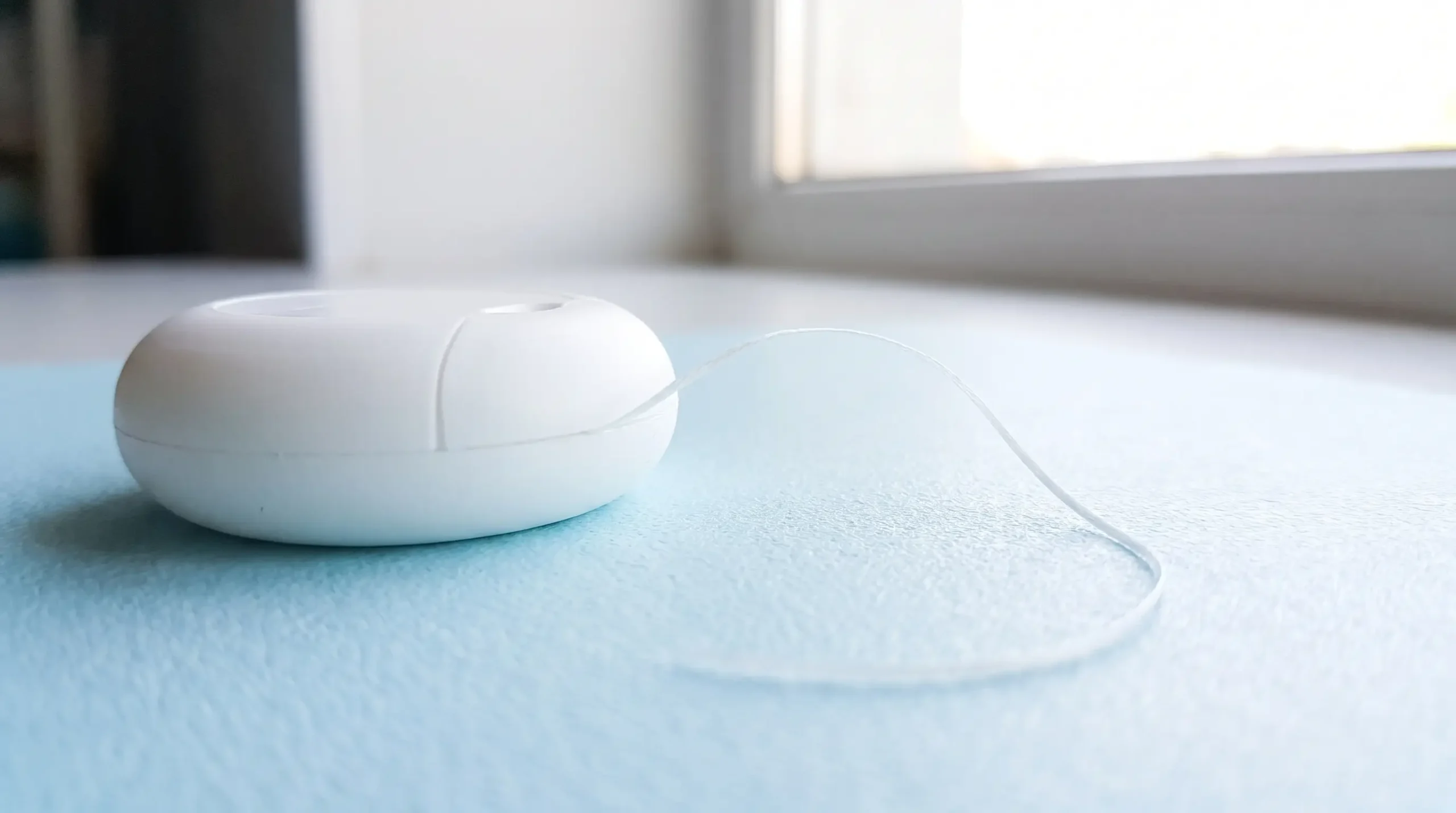
Take about 18 inches of floss and wind most of it around one middle finger, the rest around the other, leaving an inch or two to work with. Guide the floss between two teeth with a gentle sawing motion rather than snapping it down into the gum, which is the mistake that makes flossing hurt. Once past the contact point, curve the floss into a C shape hugging one tooth, slide it gently just below the gumline until you feel light resistance, and wipe upward along the tooth several times. Then curve it the other way and clean the neighboring tooth before moving on. Unwind fresh floss as you go so you are not relocating bacteria from molar to molar.
Expect a rough first week
If your gums bleed when you start flossing regularly, that is not a sign to stop. Bleeding means the gums are already inflamed from the plaque sitting between your teeth. Floss gently every day and the bleeding almost always fades within one to two weeks as the tissue heals. Bleeding that persists beyond two weeks deserves an exam, because it can signal early gum disease that needs professional attention.
Order and frequency
Once a day is the target, and evening is ideal so bacteria do not feast overnight. Interestingly, research suggests flossing before you brush may work slightly better, since it loosens debris that brushing and fluoride can then reach. The honest answer, though, is that the best order is whichever one you will actually do every day.
Upgrades, Alternatives and Honest Answers About Gadgets
Electric versus manual
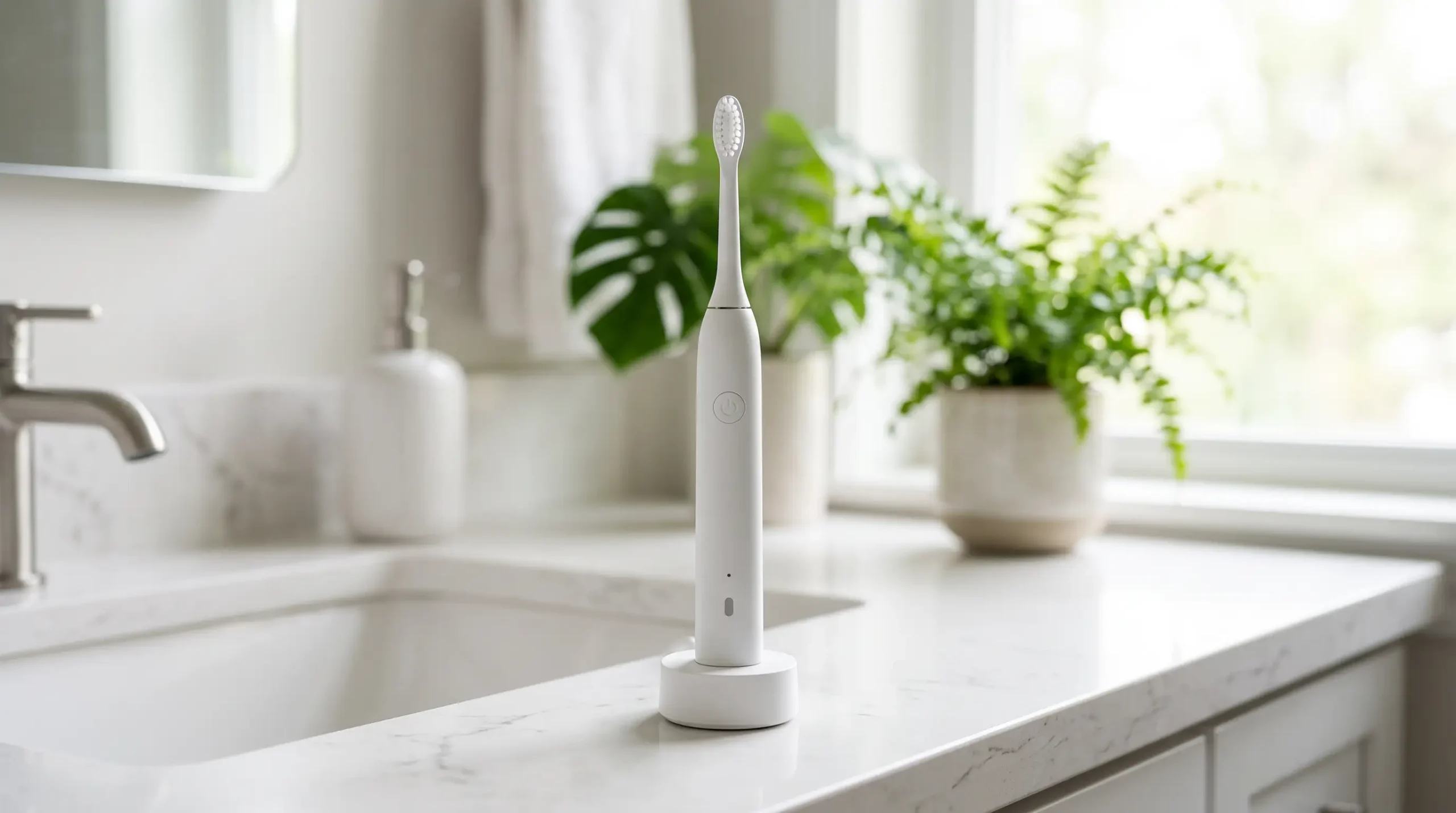
A manual brush used with perfect technique cleans beautifully. The catch is the phrase perfect technique. Electric brushes with oscillating or sonic heads supply the correct motion automatically, include two minute timers, and often warn you about excess pressure, which is why studies consistently show they remove somewhat more plaque for the average user. For patients with arthritis, braces, or a long history of cavities, we recommend them without hesitation.
Water flossers, picks and tape
Water flossers are excellent for patients with braces, bridges, implants or dexterity issues, and they demonstrably help with gum inflammation. For most people they work best alongside string floss rather than instead of it, since water disrupts colonies but does not scrape the sticky film off tooth surfaces the way floss does. Floss picks are better than nothing and fine on the go, though they cannot form a proper C shape around each tooth. If standard floss shreds between your tight contacts, try polytetrafluoroethylene tape style floss, and mention the shredding at your next visit, because floss that catches in the same spot can indicate a broken filling or early decay.
Mouthwash is a supplement, not a substitute
A fluoride or antibacterial rinse can be a useful addition for cavity prone patients, but no rinse removes plaque. Swishing is to brushing what cologne is to a shower.
Kids in the house? Children need help brushing until about age seven or eight, and their technique habits form early. Bring the whole family in together and we will coach everyone at once. Call (818) 343-4024.
Frequently Asked Questions About Brushing and Flossing
How long should I brush my teeth?
Two full minutes, twice a day. Time yourself once and you will be surprised how long two minutes feels compared to your usual routine. Electric brushes with built in timers remove the guesswork.
Should I brush before or after breakfast?
Either works, with one rule: if you brush after, wait about 30 minutes after acidic foods or juice so softened enamel can recover. Brushing before breakfast has the advantage of clearing overnight bacteria before you feed them.
Is it normal for gums to bleed when flossing?
It is common when you first start or restart, and it should steadily improve within two weeks of daily gentle flossing. Bleeding that continues past that point, or gums that are swollen and tender, warrant a professional look.
How often should I replace my toothbrush?
Every three months, or sooner if the bristles splay, and always after an illness. A frayed brush cleans dramatically worse and usually signals too much pressure.
Do I really need to floss if I use an electric toothbrush?
Yes. Even the best brush cannot reach the contact surfaces between teeth, and those surfaces are where a large share of adult cavities begin. Brushing and flossing are teammates covering different territory.
Can good brushing and flossing replace dental cleanings?
No, though they make your checkups wonderfully boring. Plaque that escapes even excellent home care hardens into tartar within days, and only professional instruments remove tartar. Pair daily care with regular professional cleanings and you have the complete system.
Small Corrections, Decades of Payoff
Nobody needs to be perfect at oral hygiene. You need to be consistent and roughly correct: soft brush, 45 degrees toward the gumline, two unhurried minutes twice a day, floss curved around each tooth once a day. Those few corrections, held for years, are the difference between a lifetime of quick checkups and a lifetime of repairs.
If you want personal coaching, our hygienists genuinely love giving it. Patients from Reseda, Tarzana, Northridge, Winnetka and Canoga Park leave our chairs with technique tips matched to their own mouths every day. Call (818) 343-4024 or visit our contact page to book your next visit.