
After braces or Invisalign, teeth naturally try to drift back, and a retainer is what holds them in place. Most people wear it most of the day at first, then every night, and many keep wearing it at night long term. Keep it in its case, clean it with cool water, and call right away if it breaks or gets lost.
- Teeth naturally try to move back after orthodontic treatment.
- Retainers come in clear removable, wire and acrylic, and bonded styles.
- Most people wear a retainer full time at first, then nightly, often long term.
- Never clean a clear retainer with hot water, which can warp it.
- Lost or broken retainer? Call right away, because teeth can shift within days.
The day braces come off or you snap in your last aligner feels like the finish line. You have put in months, sometimes years, of work, and your smile finally looks the way you wanted. Then you get handed a retainer and told to wear it. For how long? Sometimes for a very long time.
It can feel like an anticlimax, but the retainer is what protects everything you just invested in, and it takes only a few minutes a day once it becomes a habit. Here is why teeth try to move back, the main types of retainers, how long to wear one, and how to take care of it.
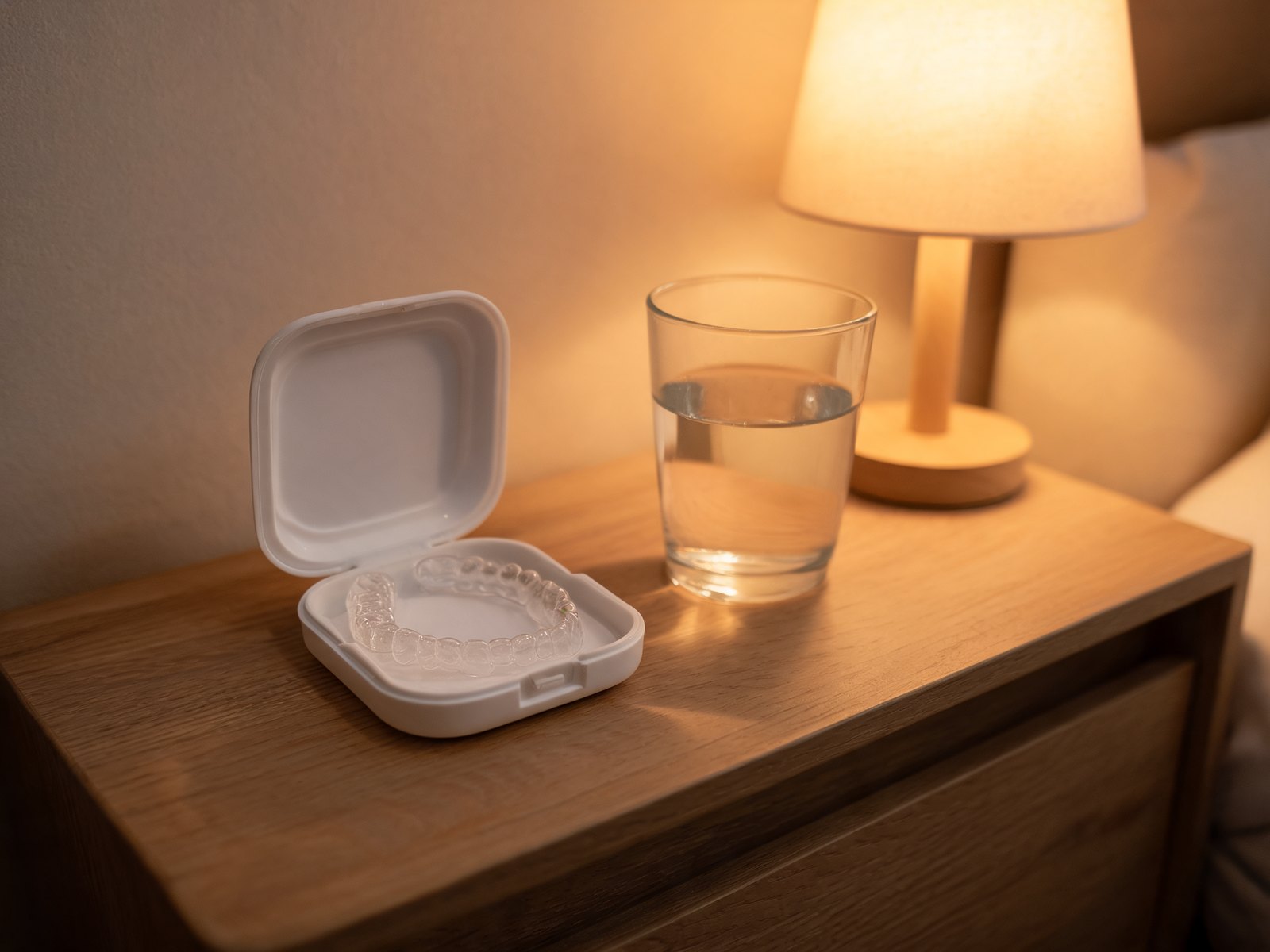
Why Teeth Want to Move Back
Teeth are not fixed in bone like fence posts in concrete. They are held in place by tissue and bone that slowly reshape as teeth move. When braces or aligners finish, that tissue has not fully settled into the new positions yet, and it tends to pull teeth back toward where they started.
Teeth also keep shifting slightly throughout life, which is completely normal. A retainer counteracts both: the early pull back after treatment and the slow drift that happens over the years. The American Dental Association notes that orthodontic treatment is followed by a period of wearing a retainer to hold teeth in their new positions.
Our retainers page puts it simply: without proper retainer use, teeth can gradually move back toward their original positions.
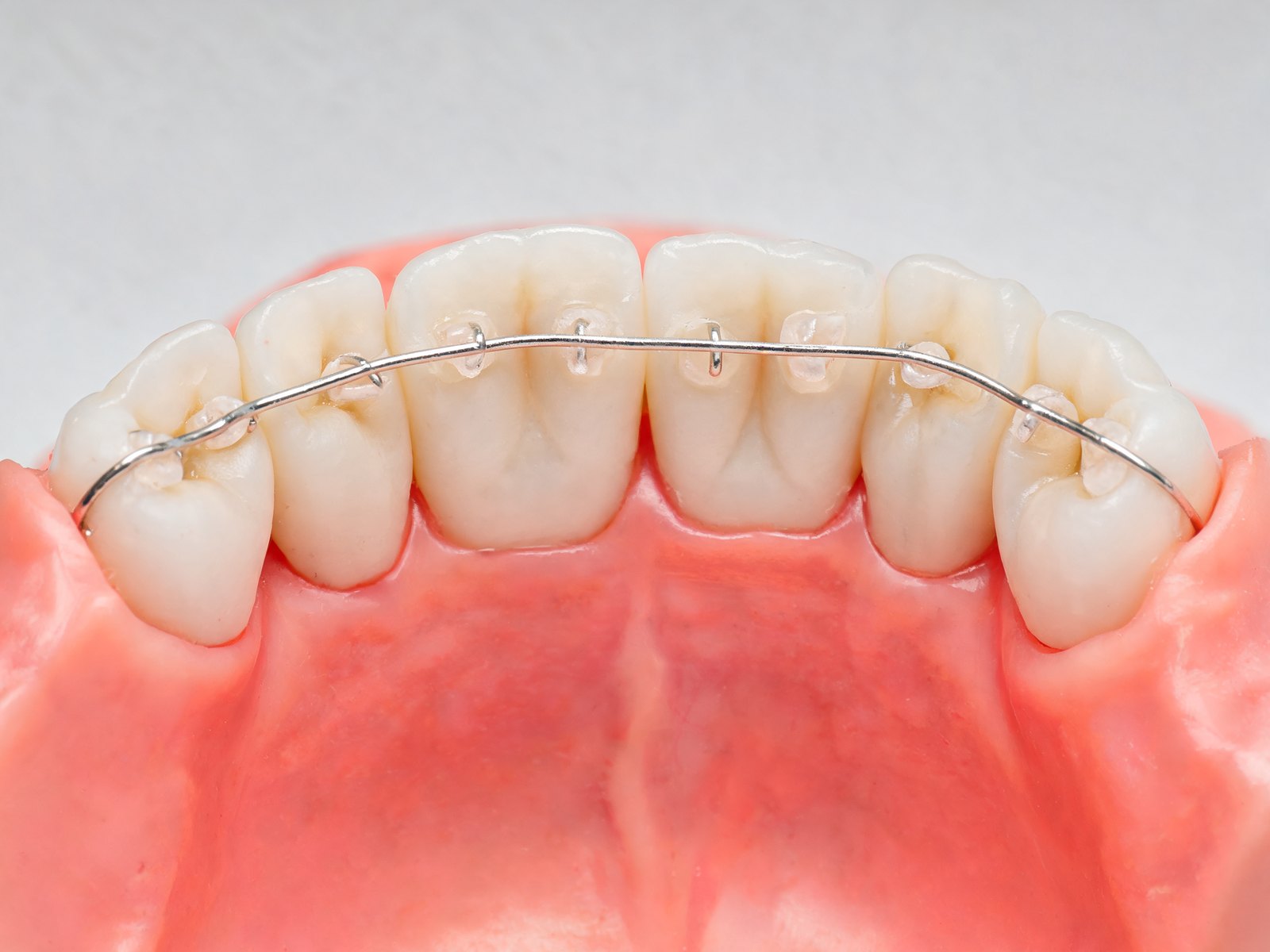
The Main Types of Retainers
Clear removable retainers
These look a lot like a clear aligner. They are made from a scan or impression of your teeth, are hard to notice when worn, and come out for eating and cleaning. Many people wear them at night once the first months after treatment have passed.
Wire and acrylic retainers
The classic retainer has a wire across the front teeth and an acrylic piece that sits against the roof of the mouth or behind the lower teeth. It is durable and adjustable, and it also comes out for eating and cleaning.
Bonded, or fixed, retainers
A thin wire is bonded to the back of the front teeth, usually the lower ones. Because it never comes out, there is nothing to remember. The tradeoff is that it takes a little more effort to floss around.
Which type is best depends on your treatment, your bite and your habits. Some people end up with a combination, such as a bonded wire on the lower teeth and a clear retainer for the upper teeth.
We make custom retainers from a precise scan or impressions, fitted to keep your new smile where it belongs.

How Long Should You Wear a Retainer?
Your dentist will give you a specific schedule, but a common pattern looks like this:
- The first months after treatment: wear it most of the day and night, because this is when teeth are most likely to shift.
- After that: many people move to wearing it every night while they sleep.
- Long term: many people benefit from wearing a retainer at night for years, sometimes for life, to keep their results.
It sounds like a lot, but once it is part of your bedtime routine, most people stop thinking about it, the same way they brush their teeth.

Caring for Your Retainer
- Rinse it every time you take it out.
- Brush it gently once a day with a soft brush and cool water.
- Never use hot water, which can warp clear plastic so it no longer fits.
- Keep it in its case whenever it is not in your mouth. Wrapping it in a napkin is the classic way retainers end up in the trash.
- Keep it away from pets. Dogs love chewing them.
- Brush your teeth before putting a removable retainer back in, so food is not trapped against your teeth.
Getting Used to a New Retainer
The first few days with a new retainer can feel a little strange, and that is normal. Here is what most people notice:
- A slight lisp. Your tongue needs a few days to adjust, especially with retainers that cover the roof of the mouth. Reading out loud helps you get used to it faster.
- Gentle pressure. A snug feeling, especially in the morning after a night of wear, usually means the retainer is doing its job. Sharp pain or sore spots are not normal, so call us if that happens.
- Extra saliva. Your mouth may make more saliva at first. This settles down within days.
- Remembering to wear it. Linking it to a habit you already have, like brushing your teeth before bed, makes it automatic.
If anything about the fit still feels off after a week or two, bring the retainer in. A small adjustment can make it much more comfortable.
What If Your Retainer Breaks or Gets Lost?
Call us as soon as you can. Teeth can start to shift within days, so the sooner a replacement is made, the better. In the meantime, if you still have an older retainer that fits, wear it.
If a bonded wire comes loose or feels rough, call as well. Do not try to glue or bend it yourself.
Already Seeing Some Shifting?
If you stopped wearing your retainer and your teeth have moved, try your retainer first. If it still fits, even snugly, wearing it may gently guide minor shifting back. If it does not fit, do not force it. Retainers are designed to hold teeth in place, not to make big moves. When noticeable shifting has happened, a short round of clear aligner treatment may be the best way to get your smile back.
Call our Reseda office if you need a new retainer, a replacement, or a check on shifting teeth.
Frequently asked questions
Do I really need a retainer after braces or Invisalign?
Yes. Teeth tend to move back toward their old positions after treatment, and a retainer holds them where they are.
How long do I have to wear a retainer?
It varies, but a common pattern is most of the day for the first months, then every night. Many people benefit from wearing a retainer at night long term to keep their results.
What happens if I stop wearing my retainer?
Your teeth may gradually shift back toward their original positions, which can undo some of your orthodontic results.
What should I do if I lose my retainer?
Call your dentist as soon as possible to have a replacement made, because teeth can begin shifting within days.
How do I clean my retainer?
Rinse it every time you take it out and brush it gently once a day with a soft brush and cool water. Never use hot water, which can warp it.
Can a retainer fix teeth that have already shifted?
It can sometimes guide minor shifting back if it still fits. Retainers are made to hold teeth, not move them, so bigger shifts may need a short round of aligner treatment.
Sources: ADA MouthHealthy: Braces. This article is general information, not a diagnosis. Your dentist can tell you what fits your own teeth.

