
Book your child’s first dental visit when the first tooth appears or by the first birthday, whichever comes first. The visit is short and gentle, you stay with your child the whole time, and it is mostly about prevention. Canby Dental in Reseda welcomes patients of all ages.
- First tooth or first birthday, whichever comes first.
- Baby teeth matter for chewing, speech and holding space for adult teeth.
- Young children are often examined right on a parent’s lap.
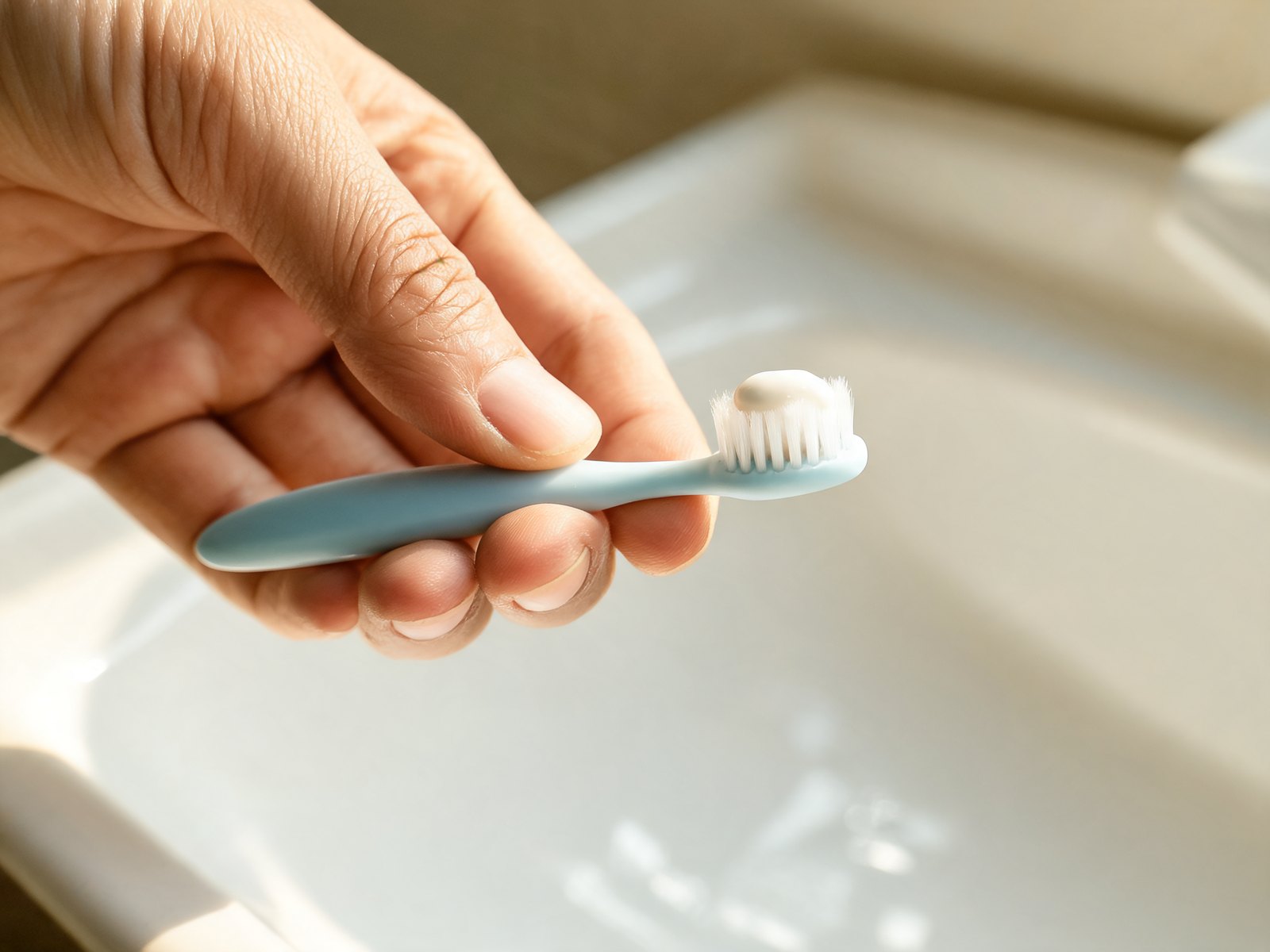
- Use a rice grain smear of fluoride toothpaste once teeth appear, and a pea sized amount from age three.
- Avoid putting your child to bed with a bottle of milk, formula or juice.
Most parents in Reseda are surprised to hear how early the first dental visit should happen. A lot of people assume it comes around age three, or when a child can sit in the chair on their own. The real answer is much earlier, and there are good reasons for it.
Here is when to book your child’s first visit, what actually happens during it, and a few things you can do at home to make it easy for everyone, including you.
When Should Your Child First See a Dentist?
The American Academy of Pediatric Dentistry recommends that children see a dentist when the first tooth appears, or no later than their first birthday. The American Dental Association gives the same advice and describes it as a well baby checkup for your child’s teeth.
First teeth usually come in around six months, starting with the lower front teeth, and most of the 20 baby teeth are in by age three. So for most families, the first visit lands somewhere between six months and one year.
First tooth or first birthday, whichever comes first.

Why Baby Teeth Matter So Much
It is tempting to think baby teeth do not count because they fall out anyway. They matter more than they look:
- They help your child chew and get good nutrition.
- They help with speech as your child learns to talk.
- They hold space for the adult teeth growing underneath.
- Cavities in baby teeth can hurt, cause infections and affect the adult teeth coming in.
An early first visit is mostly about prevention. It lets us spot problems while they are small and gives you a plan to keep them from starting.
Call our Reseda office and let us know your child’s age. We will find a time when they are usually well rested, often the morning.

What Happens at the First Visit
A first visit is short and gentle, and you stay with your child the whole time. For babies and toddlers, the exam is often done knee to knee: you sit facing the dentist, your child lies back with their head in the dentist’s lap, and you hold their hands. Your child can see you the entire time.
During the visit, we typically:
- Count the teeth and check how they are coming in
- Look at the gums, tongue and bite
- Check for early signs of decay, such as white spots near the gumline
- Clean the teeth gently if needed
- Talk with you about teething, thumb sucking and pacifiers, and how to brush
Crying is completely normal at this age and does not mean the visit went badly. Most of the value is in what you learn and take home.

How to Prepare Your Child
A little preparation goes a long way, especially for toddlers and preschoolers:
- Keep your words positive and simple. Say the dentist will count their teeth and make sure they are strong. Skip words like hurt, shot or pain, even to say it will not happen.
- Play dentist at home. Take turns counting each other’s teeth with a toothbrush or a stuffed animal.
- Read a picture book about going to the dentist in the week before.
- Pick a good time of day. A rested, fed child is a happier patient.
- Stay calm yourself. Kids pick up on our nerves. If you feel anxious about dentists, that is okay, just keep it light in front of them.
Daily Care Between Visits
What happens at home matters more than anything that happens in the chair. The ADA recommends:
- Before teeth come in, wipe your baby’s gums with a damp cloth or gauze after feedings.
- Once teeth appear, brush twice a day with a small, soft brush and a smear of fluoride toothpaste about the size of a grain of rice.
- From age three, use a pea sized amount of fluoride toothpaste.
- Start flossing once two teeth touch.
- Brush for your child at first, and help until they can do a thorough job on their own.
One more habit makes a big difference: avoid putting your child to bed with a bottle of milk, formula or juice. Sugary liquids pooling around the teeth overnight are a common cause of early cavities.
Teething, Thumb Sucking and Pacifiers
These three topics come up at almost every early visit, so here is the short version.
Teething
Babies often have sore, swollen gums while teeth are coming in. Gently rubbing the gums with a clean finger, a cool damp cloth or a chilled teething ring can help. Check with your pediatrician before giving any medicine, and avoid teething gels and tablets unless your doctor recommends them.
Thumb sucking and pacifiers
Sucking is a natural way for babies to soothe themselves, and it is not a problem in the early years. It becomes a concern when the habit continues as the adult teeth start to come in, because steady pressure can push the front teeth forward and change how the jaws develop. If your child is still sucking a thumb or pacifier as they get close to school age, let us know and we can talk through gentle ways to help them stop.
Juice and snacking
It is not just how much sugar a child has, but how often. Sipping juice all day or grazing on crackers keeps the teeth bathed in sugar. Water between meals and keeping sweets to mealtimes makes a real difference.
Growing Up at One Family Office
One of the nice things about a family dental office is that kids and parents can be seen in the same place. As your child grows, the same team can follow their teeth through the toddler years, the arrival of adult teeth and, if needed, orthodontic treatment as a teen. Many parents also find it easier to keep their own cleanings on schedule when the whole family books together.
Call Canby Dental in Reseda to schedule your child’s first visit. We are open Monday to Friday, 9 AM to 6 PM.
Frequently asked questions
At what age should my child first see a dentist?
When the first tooth appears, or no later than the first birthday. That is the recommendation from both the American Academy of Pediatric Dentistry and the American Dental Association.
What happens at a baby’s first dental visit?
The dentist counts the teeth, checks the gums and bite, looks for early signs of decay, and talks with you about brushing, teething and habits like thumb sucking. For young children the exam is often done on your lap.
Can I stay with my child during the visit?
Yes. For a first visit, parents stay with their child the whole time.
Is it normal for my child to cry at the dentist?
Very normal, especially for babies and toddlers. It does not mean the visit went badly, and most children get comfortable after a few visits.
How much toothpaste should a baby use?
Once teeth appear, use a smear of fluoride toothpaste about the size of a grain of rice. From age three, use a pea sized amount.
Does Canby Dental see children?
Yes. Canby Dental is a family dental office in Reseda that welcomes patients of all ages. Call (818) 343 4024 to book your child’s visit.
Sources: American Academy of Pediatric Dentistry: Parent FAQ; ADA MouthHealthy: Baby Teeth. This article is general information, not a diagnosis. Your dentist can tell you what fits your own teeth.